Why Is Gold Used in Jewelry? Science, History & Buying Guide

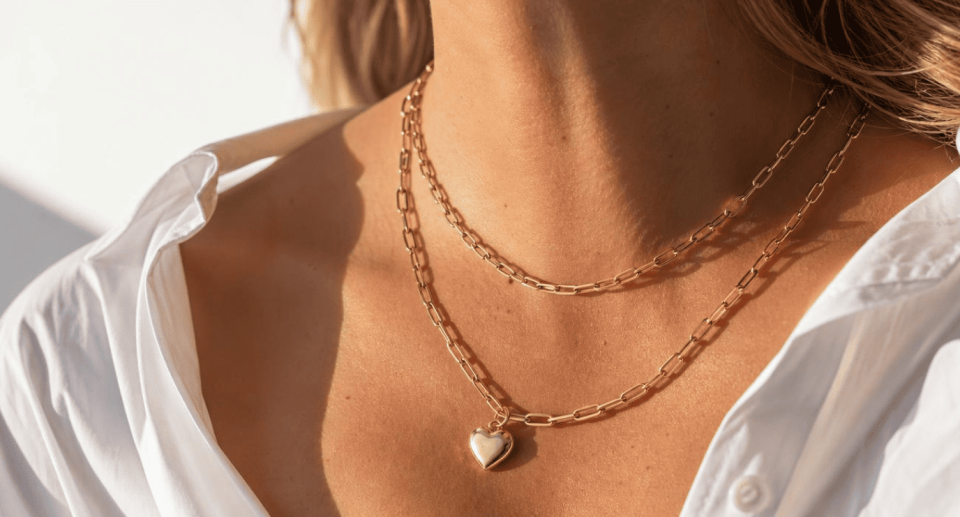

Gold has captivated humanity for over 6,000 years. From ancient Egyptian pharaohs to modern brides, it remains one of the most beloved metals for jewelry. But have you ever wondered why gold is used in jewelry more than any other metal?
Its warm glow, rarity, and unique physical properties make it ideal for fine jewelry. In this updated 2026 guide, we explore the science, history, and practical reasons behind gold’s enduring popularity, plus how to choose the right karat for your needs.
Why Gold Is So Valuable in Jewelry
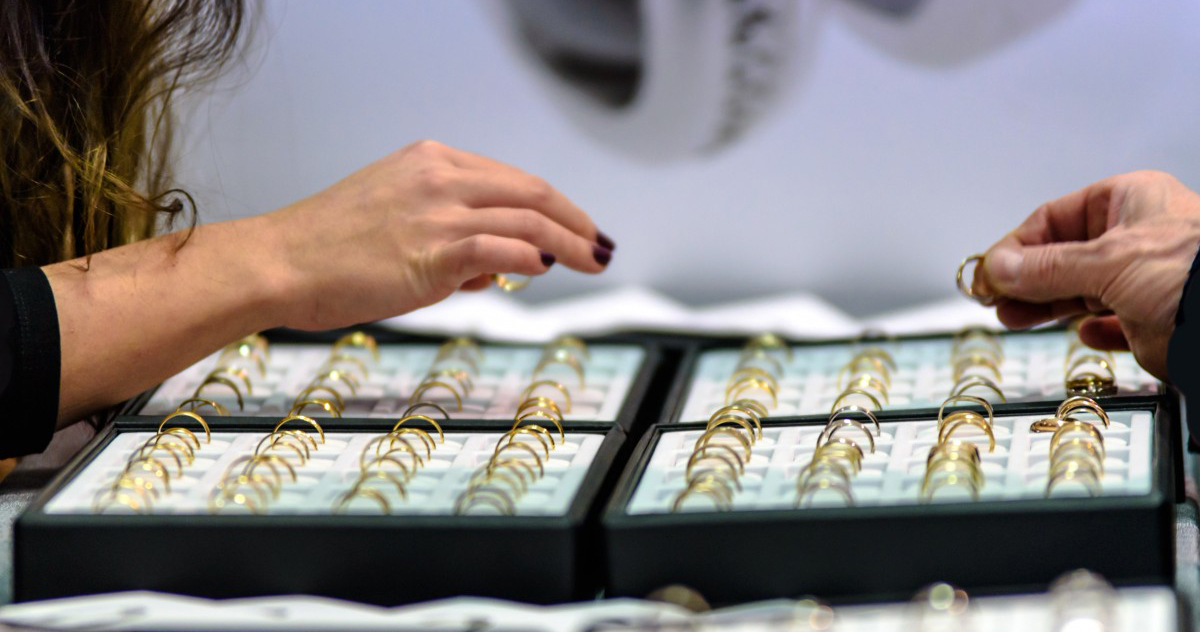
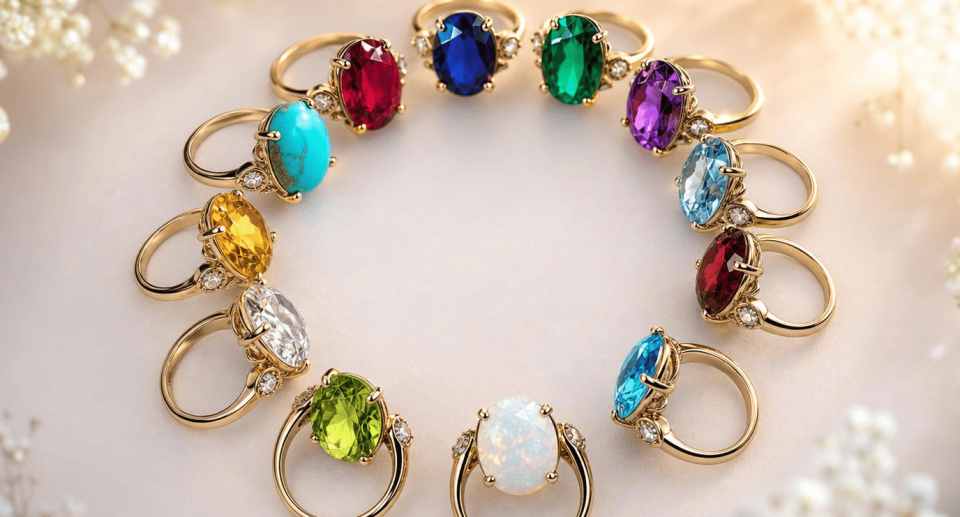
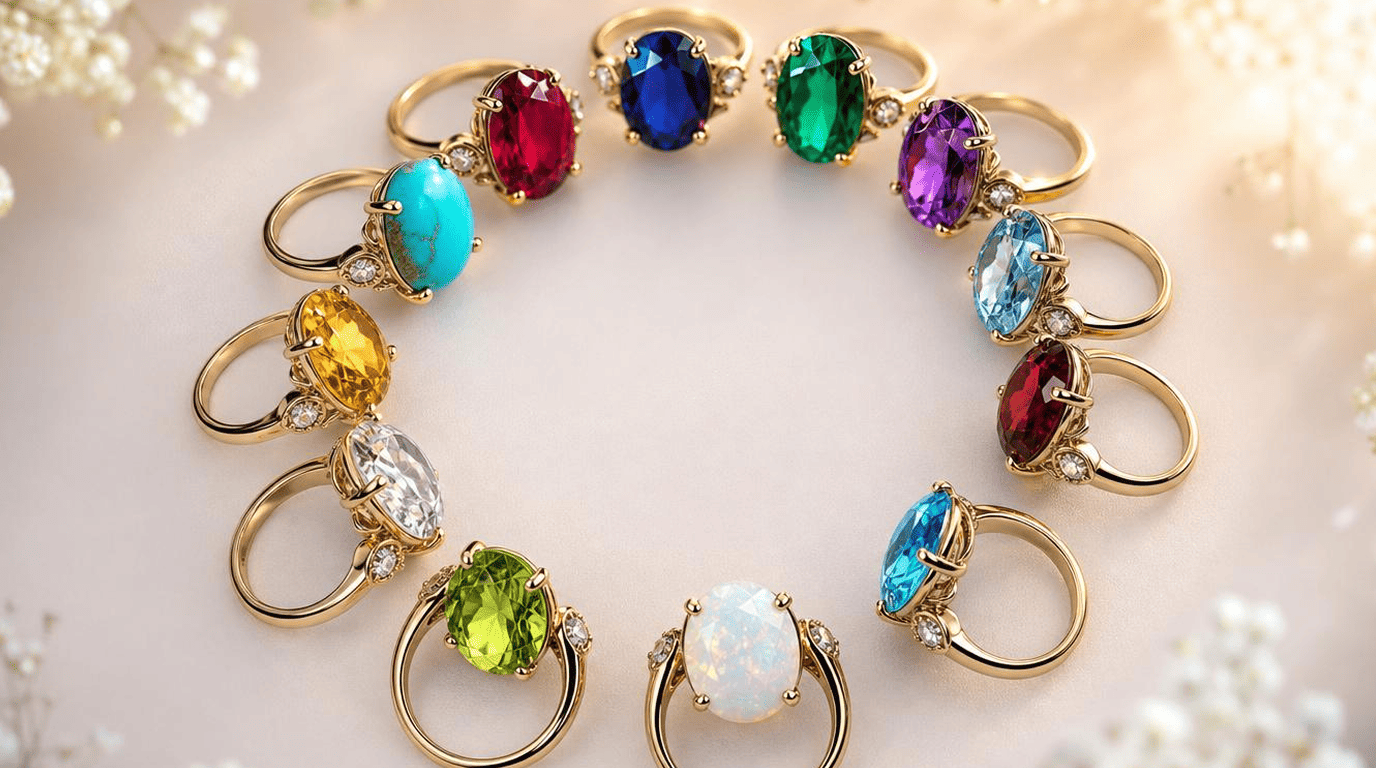
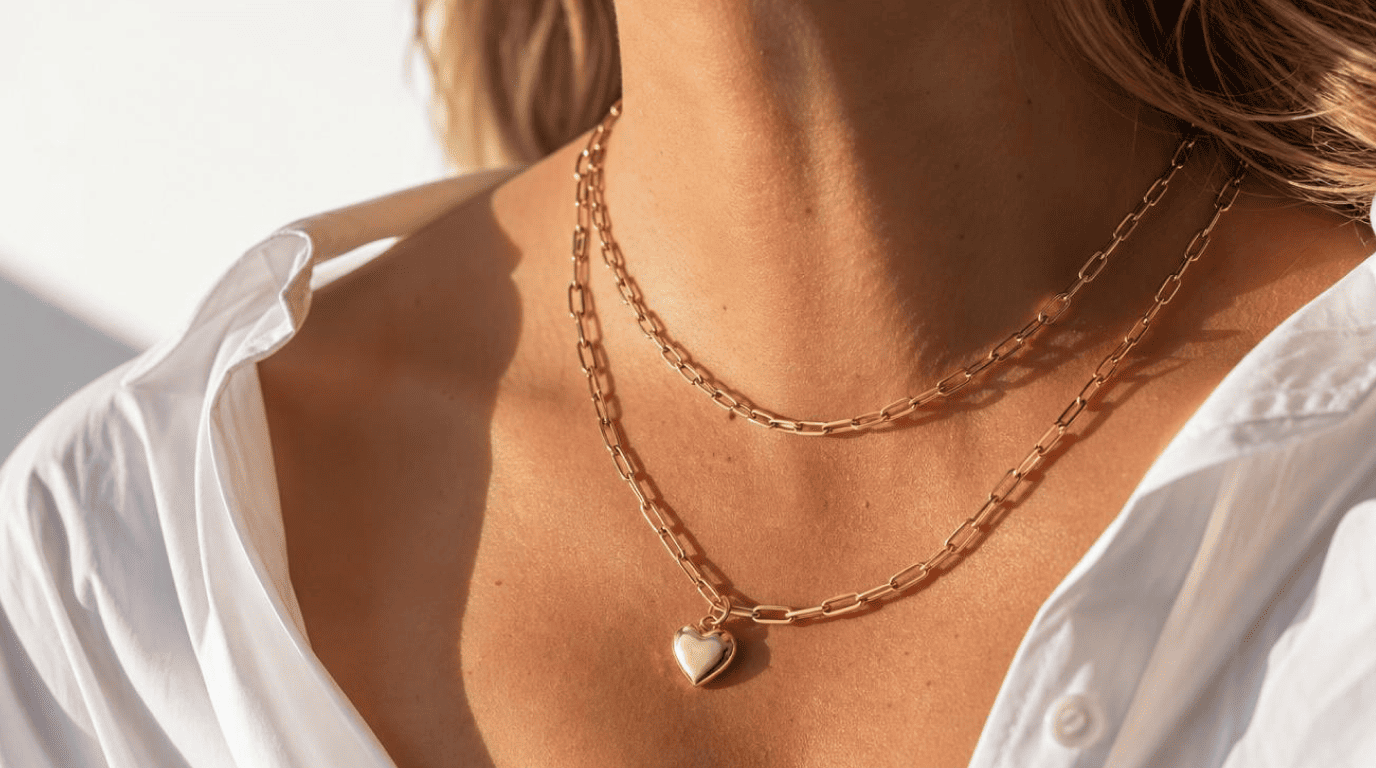
Gold stands out because it perfectly combines beauty, rarity, and practicality. Unlike other metals, it doesn’t tarnish or corrode easily, retains its brilliant luster for generations, and can be shaped into delicate, intricate designs. Its natural warm yellow color flatters almost every skin tone, making it timeless and versatile.
The Unique Physical Properties of Gold
Gold’s chemistry and physics make it exceptionally well-suited for jewelry:
- Malleability & Ductility: Gold is the most malleable and ductile metal. One gram can be hammered into a sheet covering nearly 1 square meter or drawn into a wire over 2 km long. This allows jewelers to create fine details, thin chains, and delicate settings without breaking.
- Corrosion Resistance: Gold is a “noble metal” — it doesn’t react with oxygen, moisture, or most acids. Pure gold never tarnishes or rusts, unlike silver or base metals. This is why ancient gold artifacts still look stunning today.
- Luster & Color: Its natural rich yellow shine is highly reflective and attractive. It also conducts heat well, so gold jewelry quickly warms to body temperature for comfortable wear.
- Hypoallergenic Nature: Pure gold rarely causes skin reactions, making it suitable for sensitive skin (though some alloys may contain nickel).
These properties explain why gold has been the “gold standard” for luxury jewelry across cultures and centuries.
A Brief History of Gold in Jewelry
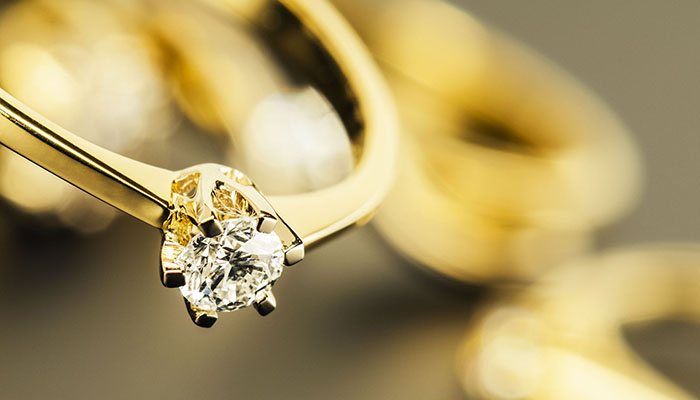
Gold’s use in jewelry dates back to at least 4000 BCE in Eastern Europe and Mesopotamia. Ancient Egyptians considered gold the “flesh of the gods” and used it extensively in burial masks (like Tutankhamun’s) and royal adornments, believing it had divine and protective powers.
Civilizations in the Americas, ancient China, Greece, and Rome all prized gold similarly — as a symbol of wealth, power, status, and eternity. Spanish explorers in the New World were astonished to find that indigenous cultures also valued gold highly, proving its near-universal appeal.
Today, gold continues to represent love, achievement, and luxury — from engagement rings to Olympic medals.
Pure Gold vs Gold Alloys (Karat Explained)
Pure (24K) gold is 99.9% gold. While beautiful, it is very soft and easily scratched or bent, so it’s rarely used for everyday jewelry.
Jewelers mix gold with other metals (copper, silver, zinc, palladium, etc.) to create stronger alloys. The karat system measures purity out of 24 parts:
| Karat | Gold Purity | Best For | Color & Durability |
| 24K | 99.90% | Investment, special pieces | Bright yellow, very soft |
| 22K | 91.70% | Traditional jewelry (e.g., India) | Rich yellow, softer |
| 18K | 75% | Fine jewelry, engagement rings | Excellent balance of color & strength |
| 14K | 58.30% | Everyday wear, durable pieces | Slightly paler, very strong |
| 10K | 41.70% | Affordable, high-wear items | Palest, most durable |
18K gold is often considered the sweet spot for luxury jewelry — rich color with good durability. 14K gold is more affordable and practical for daily wear.
Alloying also creates different colors:
- Rose Gold — Copper added
- White Gold — Palladium or nickel added (often rhodium-plated)
- Yellow Gold — Silver + copper
Gold-Filled vs Gold-Plated Jewelry
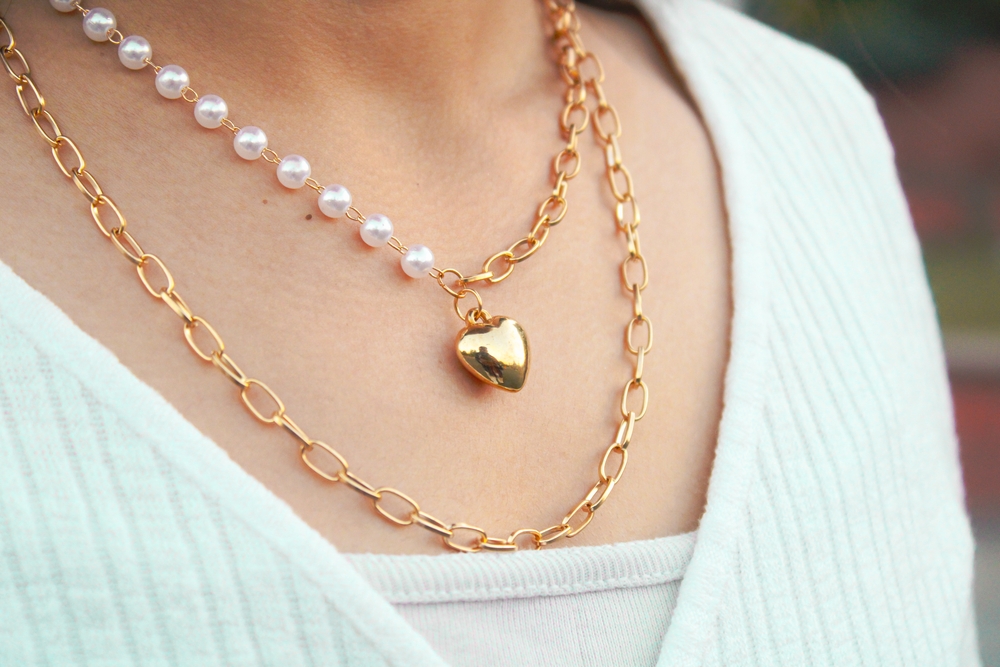
Because solid gold is expensive, alternatives exist:
- Gold-Filled: A thick layer of real gold (at least 5% by weight) mechanically bonded to a base metal. Much more durable and valuable than plated. It can last years with proper care.
- Gold-Plated: A very thin layer of gold electroplated over base metal. Affordable but wears off over time, can tarnish or cause reactions.
Solid gold (10K+) is always superior in quality, longevity, and resale value.
Pros & Cons of Gold Jewelry
Pros:
- Timeless beauty and luster
- Excellent durability (doesn’t tarnish)
- High resale and heirloom value
- Versatile for daily or special wear
Cons:
- Higher cost than alternatives
- Pure gold is soft (scratches easily)
- Can dent if pure or high-karat
Buying Tips for Gold Jewelry
- Check for hallmarks (e.g., “18K”, “750”, maker’s mark).
- Buy from reputable sellers with return policies.
- Consider your lifestyle — choose 14K for daily wear, 18K for special pieces.
- At TrueFacet, every pre-owned gold piece is inspected for authenticity and quality.
FAQ About Gold Jewelry
Q: Does real gold tarnish?
A: Pure gold does not tarnish. Lower-karat alloys may show minor discoloration from the mixed metals over time.
Q: Is 24K gold good for jewelry?
A: It’s beautiful but too soft for most everyday pieces. Best for bullion or occasional wear.
Q: Which karat is best for engagement rings?
A: 18K offers the best balance; 14K is more scratch-resistant for active lifestyles.
Q: Does gold cause allergies?
A: Pure gold rarely does. Reactions are usually from nickel in some white gold alloys.
Conclusion
Gold’s combination of beauty, rarity, workability, and permanence makes it the ultimate material for jewelry — and it has remained so for thousands of years. Whether you prefer classic yellow gold, romantic rose, or modern white, understanding these qualities helps you choose pieces you’ll treasure forever.
At TrueFacet, we offer carefully inspected pre-owned gold jewelry from top brands — authentic, beautiful, and often at better prices than retail.
Browse our collection of verified gold jewelry
Have questions about a specific piece? Leave a comment below or reach out — we’re happy to help!
Read More
What is the Difference Between Costume and Fine Jewelry?
TrueFacet’s Ultimate Guide on How to Clean Fine Jewelry