Hermès Birkin Bag Buying Guide: Sizes, Leathers, Hardware and What to Check


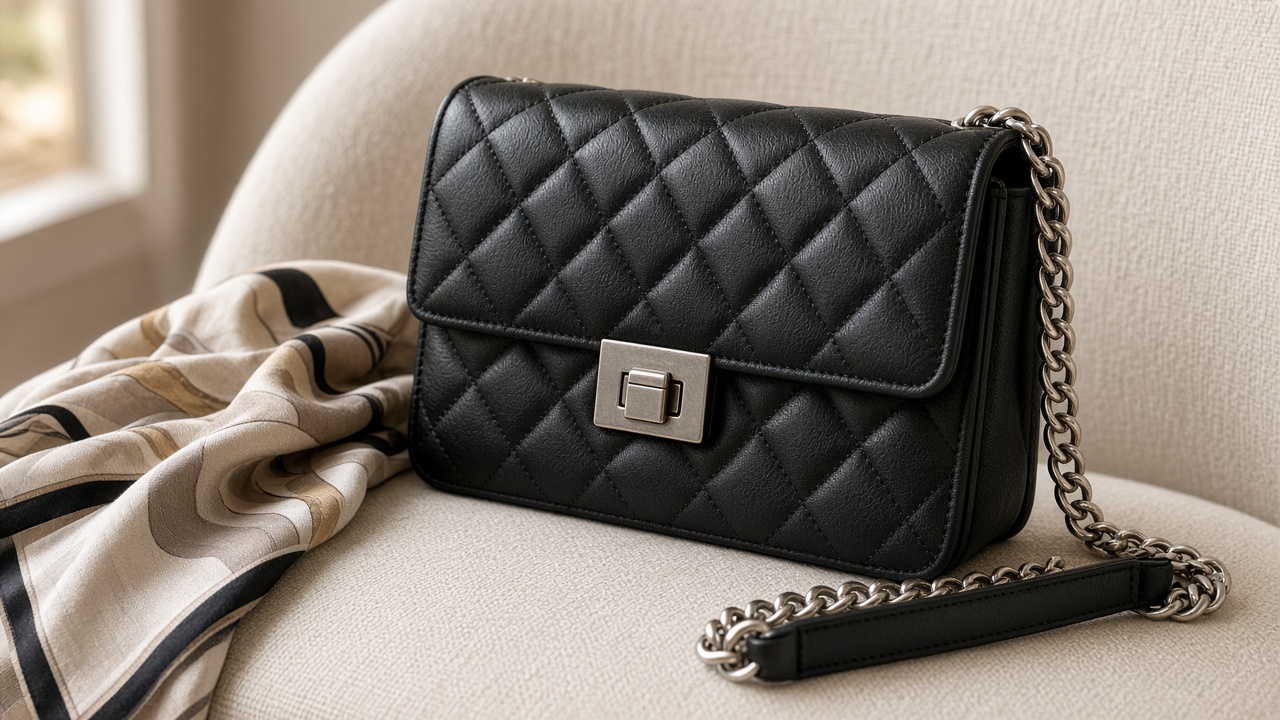
Few handbags carry as much lore—or as many decisions—as the Hermès Birkin. Size, leather, hardware and condition all change how the bag wears and what it is worth on the secondary market, so the smartest purchase starts before you fall for a color. This Hermès Birkin bag buying guide covers the history, the core sizes, popular leathers, gold versus palladium hardware and what to check when you buy pre-owned.
From a Paris–London Flight to a Fashion Icon
According to Hermès, the Birkin was born in 1984 on a flight from Paris to London, when British actress Jane Birkin sat next to Jean-Louis Dumas, then Executive Chairman of Hermès. She told him she could not find a bag that worked for her life as a young mother. He sketched a supple, spacious holdall with a burnished flap and saddle stitching—complete with room for baby bottles.
Sotheby’s places the same meeting in 1984 and notes that Birkin’s original bag was roughly the width of a modern Birkin 35 with the greater depth associated with a Birkin 40, made in black leather with gold-tone hardware. Christie’s adds that the bag was released commercially in 1985 and first appeared in the larger 35 and 40 centimeter sizes. The silhouette that followed—two rolled handles, flap, sangles, turn-lock, padlock, clochette and protective feet—has stayed remarkably consistent for four decades.
Craftsmanship is part of the mystique. Bonhams reports that each Birkin is made by a single highly trained artisan and takes at least 18 hours, longer for exotic skins. Sotheby’s buying guide similarly describes roughly 18 to 24 hours of handwork. If you are still deciding between Hermès’ two great bags, our Birkin vs Kelly comparison and our Kelly buying guide sit alongside this one.
Hermès Birkin Sizes Explained
Birkin sizes are named for the approximate length of the base in centimeters. Sotheby’s lists the four core sizes as the Birkin 25, 30, 35 and 40, with rarer formats such as the Birkin 20 and Micro Birkin 15 also appearing on the market. Christie’s frames how each size tends to wear:
- Birkin 25: the most compact of the standard sizes—often treated as an evening or event bag, though many collectors use it daily.
- Birkin 30: frequently called the modern “Goldilocks” size: small enough to feel refined, large enough for everyday essentials.
- Birkin 35: closer to Jane Birkin’s original proportions; a longtime favorite that works as a daily or travel bag.
- Birkin 40: the largest common size, associated with travel and substantial day carry; produced in more limited quantities today.
Sotheby’s also notes rarer formats such as the Birkin 20 (including limited Faubourg editions) and the Micro Birkin 15 produced in 2011–2012 during Jean-Paul Gaultier’s tenure, plus Shoulder Birkin variants with elongated handles. For most first-time buyers, the practical shortlist is 25, 30 or 35.
Popular Leathers: Togo, Epsom, Clemence and Box
Leather changes weight, structure, scratch resistance and how the bag ages. Drawing on Sotheby’s and Sotheby’s buying guide:
- Togo: a soft, matte pebbled calfskin introduced in 1997; relatively scratch-resistant and popular for everyday Birkins.
- Epsom: embossed, lightweight and structured; holds its shape well and is easier to wipe clean.
- Clemence: bull-calf with a flatter grain; softer and heavier, and more likely to relax or slouch over time, especially in larger sizes.
- Box calf: a smooth heritage leather used on early Birkins; shows scratches more readily but develops a distinctive patina.
Exotic skins such as crocodile, alligator, ostrich and lizard sit at the rarer end of the market and need specialized care. Whatever leather you choose, match it to how you actually carry: structured Epsom for a crisp silhouette, Togo for frequent use, Box if you love patina and are careful with storage.
Hardware: Gold, Palladium and Completeness
Sotheby’s describes gold-plated and palladium-plated hardware as the most common finishes on the turn-lock, sangles, padlock, keys, zipper and feet. Gold reads warmer and more traditional; palladium is cooler and silvery. Collectors shorthand these as GHW and PHW. Less common finishes (rose gold, brushed metals, ruthenium and others) appear on special and limited pieces.
A complete set typically includes the padlock, keys and leather clochette that loops onto a handle. Missing accessories are common on older bags and are not automatically a deal-breaker, but they should be disclosed and reflected in the price. Hermès also uses heat stamps and blind stamps that help specialists date a bag; treat stamp reading as a specialist skill rather than a DIY serial-number check, and buy from a seller that authenticates every piece.
What to Check Before Buying a Pre-Owned Birkin
1. Stitching, corners and shape
Hermès saddle stitching should look even and fine. Check corners, edge paint and the rolled handles for scuffing, cracking or heavy darkening—handles take most of the daily wear. Set the bag on a flat surface: classic Retourne Birkins can soften with use, but a collapsed base or extreme asymmetry is worth questioning.
2. Lock, keys, clochette and hardware
1stDibs and authentication guides emphasize matching lock-and-key numbers where present, crisp Hermès engraving and a clochette made from one folded piece of leather rather than two panels sewn on three sides. Hardware plating should wear honestly—peeling that reveals a different metal color underneath is a red flag. Feet should sit firmly so the bag does not wobble.
3. Interior, odor and stamps
Open the bag in good light. Look for stains, pen marks, odor (perfume, smoke or mildew) and zipper quality. Photograph the Hermès Paris Made in France heat stamp and any blind stamp so an authenticator can review placement and typography. {PB} stresses knowing your seller, asking for clear photos of the interior and stamps, and using a trusted authentication service when you are unsure—especially for five-figure purchases.
4. Authenticity red flags
Unusually low pricing with pressure to wire money, blurry photos that hide stamps, misspelled Hermès accents, clumsy stitching and hardware that feels light or soft are all reasons to walk away. Hermès generally does not authenticate pieces bought outside official channels, so the reseller’s own authentication process and return policy matter as much as the bag itself.
Shop the Hermès Birkin at TrueFacet
The pre-owned market is where you can compare sizes, leathers and hardware side by side without waiting on boutique allocation. Explore our Hermès collection and Hermès handbags, from a Birkin 25 in Blue Jean Togo with gold hardware to a Togo Birkin 30 and an Epsom Birkin 35. Every piece is backed by our Authenticity Promise. Questions? Email [email protected]—we are happy to help you choose the right Birkin.