Hermès Kelly Bag Buying Guide: Sizes, Sellier vs Retourne and What to Check

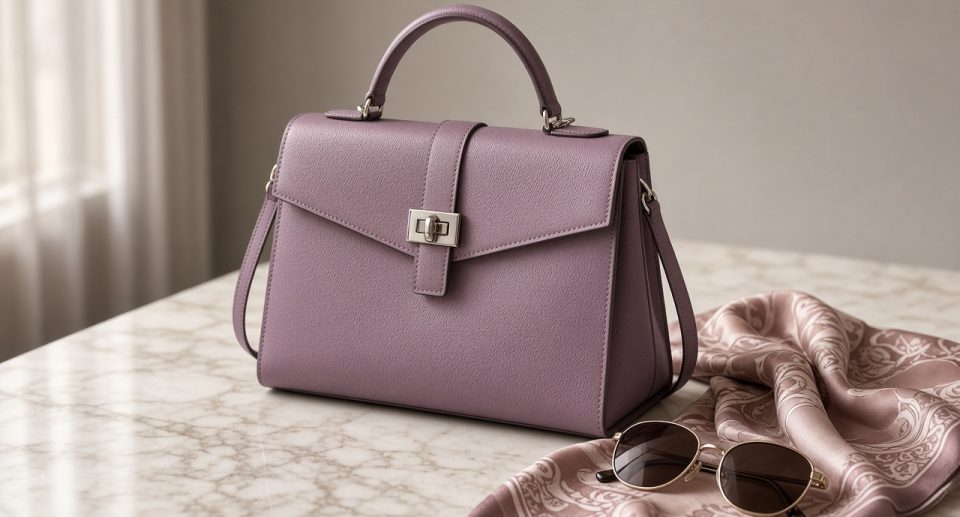

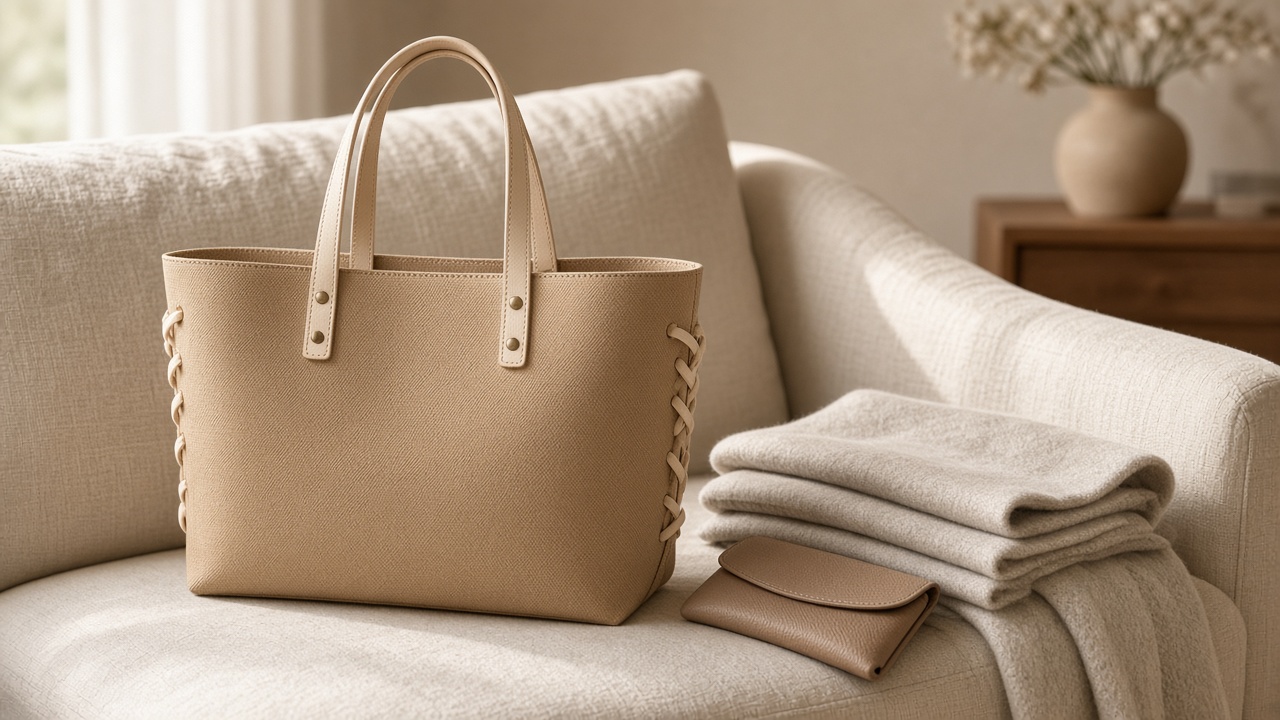
The Birkin may get the headlines, but many seasoned collectors will tell you the Kelly is the more elegant of Hermès’ two great bags. With its single top handle, trapezoid shape and that famous turn-lock clasp, it looks just as right with a suit as it does with jeans, and it has barely changed in almost a century. If you are thinking about buying one, the choices can feel overwhelming: Sellier or Retourne, 25 or 28, Epsom or Togo, leather or exotic. This Hermès Kelly bag buying guide walks through the history, the sizes, the two constructions, the leathers and what to check before you buy pre-owned.
From Saddle Bag to Royal Icon
The Kelly’s roots are equestrian. Sotheby’s Kelly guide traces its lineage to the Haut à Courroies, a tall bag designed to carry saddles, which Hermès reimagined in the 1930s. According to Hermès, it was Robert Dumas, son-in-law of Émile Hermès and head of the house from 1951 to 1978, who created a women’s bag with straps in the 1930s: a trapezoid with two triangular gussets, a cutout flap, a handle and two side straps. It was originally called the Sac à Dépêches, French for dispatch bag.
Its new name came from Hollywood. In 1956, Grace Kelly, by then Princess of Monaco, was photographed holding the bag in front of her to shield her pregnancy from photographers. Sotheby’s notes that the picture went around the world after appearing in Life magazine, leading to record sales. People began calling it the Kelly almost immediately, and Hermès officially renamed it in her honor in 1977.
The craftsmanship behind it is a large part of its appeal. Sotheby’s Kelly guide reports that a Kelly is made from 36 pieces of leather by a single artisan over 18 to 24 hours, using around 680 hand stitches. If you are weighing the Kelly against its younger sibling, our guide to Birkin vs Kelly compares the two side by side.
Hermès Kelly Sizes Explained
Kelly sizes are named for the length of the base in centimeters, so a Kelly 25 measures about 25cm across. The range runs from the tiny Kelly 15 to the travel-sized Kelly 50, but most buyers choose between a handful of sizes. Here is how Sotheby’s and its Sotheby’s Kelly guide describe them:
- Kelly 15 and Mini Kelly 20: evening and statement sizes. Sotheby’s notes that most modern phones will not fit in a Mini Kelly 20, yet it is the most collectible size of all.
- Kelly 25 and Kelly 28: the most popular and practical choices, and the sizes Sotheby’s recommends for a first Kelly because they balance elegance and everyday use.
- Kelly 32 and Kelly 35: once the standard sizes, now favored as work or statement bags.
- Kelly 40 and Kelly 50: large, functional options for travel.
The mini has its own story. Sotheby’s explains that a Mini Kelly in sizes from 20cm down to 15cm was made from the 1980s, that production stopped in the mid-2000s when Jean Paul Gaultier was designing for Hermès, and that the house brought it back in 2016 as the Mini Kelly II, with a slimmer handle and a thinner shape that wears better cross-body.
Sellier vs. Retourne: The Biggest Decision
Every Kelly is made in one of two constructions, and they look surprisingly different in person.
- Sellier: stitched on the outside, with sharp edges and corners for a rigid, structured trapezoid. It holds its shape well and reads as more formal, but the exposed edges can show wear sooner. Sellier Kellys are usually made in firmer leathers such as Epsom or Box.
- Retourne: stitched on the inside and then turned right side out, which gives softer, rounded edges and a slightly roomier, more relaxed bag. Retourne Kellys are often made in softer leathers such as Togo or Clemence, and larger sizes can slouch over time.
Both points come from Sotheby’s buying guide, which also notes that the Mini Kelly 20 is made only as a Sellier. As a rule of thumb, choose Sellier if you want a polished, dressy bag that stays crisp, and Retourne if you want something easier to carry every day.
Leathers and Exotics
Leather changes both the look and the price. Sotheby’s names Epsom as the most popular Kelly leather because it is durable and lightweight, followed by Togo, Swift, Box and Clemence. Epsom is an embossed, grained calfskin that resists scratches and keeps its shape, which suits the Sellier’s structure. Togo and Clemence have a softer, pebbled grain, Swift is smooth and supple and shows color richly, and Box calf is a glossy, traditional leather that develops a patina with use.
Exotic Kellys in crocodile and alligator sit at the top of the market, with crocodile Niloticus and Porosus commanding the highest prices, while lizard and ostrich are generally less in demand. Interestingly, Sotheby’s observes that pristine leather Kellys often carry a stronger premium than exotics, because they are more versatile to wear.
What a Pre-Owned Kelly Costs
Prices vary widely with size, leather, condition and rarity. On the secondary market, Sotheby’s buying guide puts classic Kelly bags at roughly $8,000 to more than $100,000. Leather Mini Kelly 20s in pristine condition often sell for $25,000 to $40,000, leather Kelly 25s and 28s for $15,000 to $30,000 with exotics reaching $40,000 to $70,000, and larger vintage 32s and 35s typically for $8,000 to $12,000. Those larger sizes are where value-minded buyers often find the most bag for the money.
What to Check Before Buying a Pre-Owned Kelly
1. Corners, Edges and Handle
The corners and the edge paint along the seams are the first places a Kelly shows its age, especially on a Sellier. Look for scuffing, cracking or touched-up edge paint, and check the handle for darkening, creasing or a loss of shape, since it takes most of the daily handling.
2. Shape and Structure
Set the bag on a flat surface and look at it from the front and side. A Sellier should stand squarely with crisp lines. Some softening is normal on a Retourne, but heavy slouching or a collapsed base is worth asking about, and it affects value.
3. Hardware
Check the turn-lock clasp, the side straps and the feet on the base for heavy scratching or plating wear, and make sure the clasp turns and closes cleanly. The lock and keys in their clochette should be present if the seller says the bag is complete. Hermès hardware is engraved, and the engraving should be crisp and even.
4. Interior, Stamps and Accessories
Inspect the lining for stains, pen marks and odors, and look at the heat stamp and the blind stamp that indicates when the bag was made. Ask what comes with it, such as the shoulder strap, dust bag, rain cover, box and receipt. Missing pieces are common on older bags and are not a problem on their own, but they should be reflected in the price. Above all, buy from a seller that authenticates every bag.
Shop the Hermès Kelly at TrueFacet
A Kelly is one of the few handbags that can be worn for decades and handed down, which is why the pre-owned market is the best place to compare sizes, leathers and constructions side by side. Explore our Hermès collection, from a Kelly 25 in Mauve Pâle Epsom with palladium hardware to a black Porosus crocodile Kelly 28 Sellier with gold hardware, or browse all designer handbags. Every piece is backed by our Authenticity Promise.