The Diamond Tennis Bracelet Buying Guide: History, Settings, Sizing and Smart Buying Tips

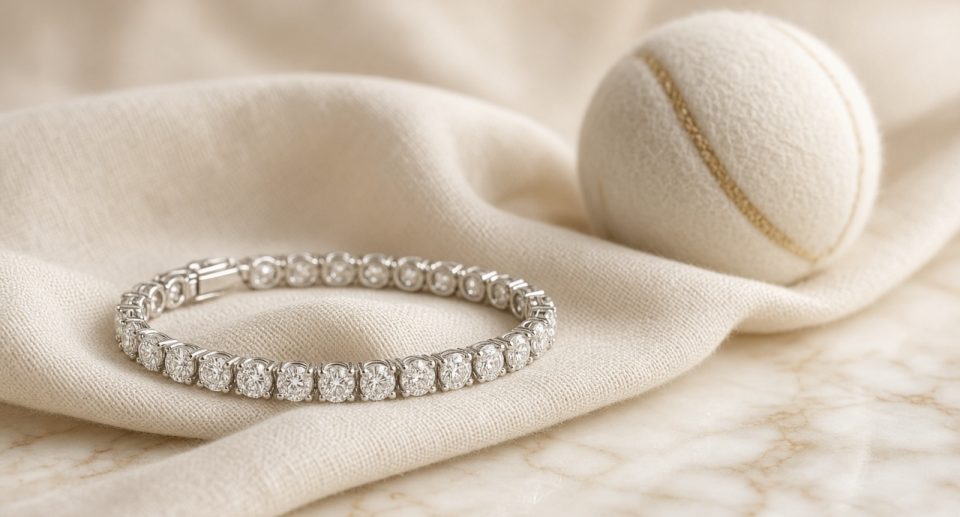

Few pieces of jewelry are as quietly versatile as the diamond tennis bracelet. A single, flexible line of matched diamonds, it looks just as right with a crisp white shirt on a Tuesday as it does with evening wear on a Saturday. It stacks beautifully beside a watch, it layers with bangles, and it holds its own when worn alone. If you are considering your first one, or an upgrade, this diamond tennis bracelet buying guide walks through the history, the details that separate a great bracelet from an ordinary one, and how to buy with confidence.
Where the Diamond Tennis Bracelet Got Its Name
The design itself is far older than its name. Slim, flexible lines of diamonds were fashionable in the 1920s, when stylish women often stacked several on one wrist, according to Sotheby’s. For decades, the jewelry trade simply called them line or eternity bracelets.
The “tennis” name is tied to Chris Evert, the 18-time Grand Slam singles champion who was known for wearing fine jewelry on court. The popular version of the story says her diamond line bracelet broke during a match at the 1987 U.S. Open and she asked officials to pause play until it was found; GIA tells it this way and credits jewelry designer George Bedewi with the bracelet she wore. Jewelry historian Marion Fasel of The Adventurine has challenged the date, though. She found that The New York Times and the Los Angeles Times were already using the phrase “tennis bracelet” in July and August 1987, before that year’s Open, and that Evert’s own publicist placed the incident in an early round of the 1978 U.S. Open, the year the tournament moved to Flushing Meadows (The Adventurine, British Vogue). Whichever year you prefer, everyone agrees on the heroine of the story, and the name has stuck ever since.
What to Look for When Buying a Diamond Tennis Bracelet
1. Total Carat Weight
Tennis bracelets are described by total carat weight, usually written as “ctw” or “cttw,” which is the combined weight of every diamond in the line. A 1 ctw bracelet reads delicate and is ideal for everyday stacking; 3 to 5 ctw delivers noticeable presence; and anything larger becomes a true statement piece. Remember that two bracelets with the same total weight can look very different depending on how many stones they use: more, smaller stones create a fine, shimmering line, while fewer, larger stones give bolder individual sparkle.
2. Color, Clarity and, Above All, Consistency
The familiar 4Cs (cut, color, clarity and carat) apply here, but with a twist. Because the eye sees the bracelet as one continuous line, how well the stones match each other matters as much as their individual grades. A bracelet with well-matched near-colorless stones will often look more luxurious than one that mixes higher and lower grades. Listings typically give a color and clarity range, such as F-G color and VS2-SI1 clarity, rather than a single grade, and that range is worth reading closely.
3. Setting Style
The setting shapes both the look and the durability of the piece:
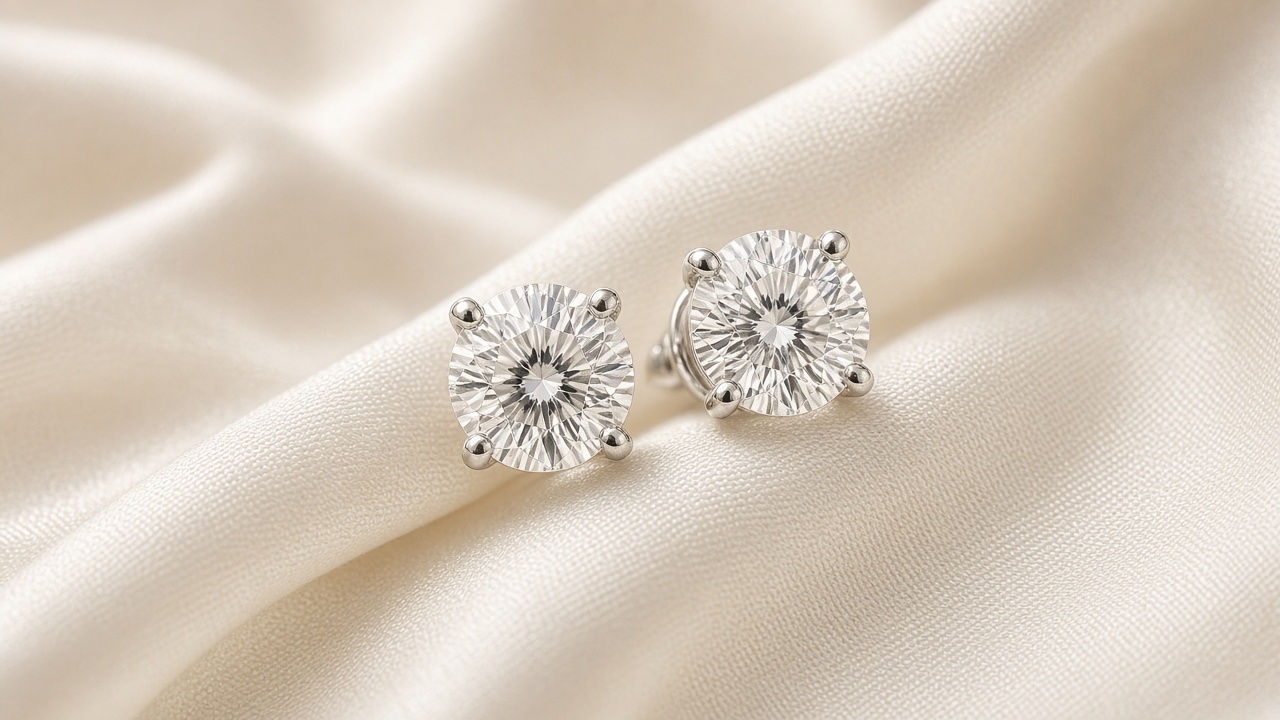
- Prong settings hold each diamond with small metal claws, often four per stone. They let in the most light and give the classic tennis bracelet look.
- Bezel settings wrap each stone in a thin rim of metal. They are smooth, modern and very secure, making them a good choice for active wear.
- Illusion or “miracle” settings place smaller diamonds in reflective metal plates designed to make each stone appear larger than its actual size, an affordable way to get a bolder look.
- Invisible settings are typically used with princess-cut (square) diamonds, which sit edge to edge with little visible metal between them.
4. Metal
White gold and platinum are the traditional choices because their bright tone flatters colorless diamonds, while yellow and rose gold give a warmer, vintage feel and pair well with gold watches. 14K gold offers a good balance of durability and value; 18K has a richer color and higher gold content. Platinum is dense and hard-wearing, and it is naturally white. If you want to brush up on the differences, our guide to platinum jewelry is a useful starting point.
5. The Clasp
Given the bracelet’s origin story, the clasp deserves real attention. Look for a box clasp with a secondary safety catch, such as a side latch or a figure-eight lock, so the bracelet stays on even if the main clasp is accidentally opened. When you try a bracelet on, open and close the clasp a few times: it should click firmly and feel secure.
Natural or Lab-Grown Diamonds?
Many tennis bracelets are now offered with lab-grown diamonds. In 2018 the U.S. Federal Trade Commission revised its Jewelry Guides and removed the word “natural” from its definition of a diamond, recognizing that laboratory-created diamonds share essentially the same optical, physical and chemical properties as mined ones; sellers must still clearly disclose that a stone is lab-grown (FTC). Lab-grown stones generally let you buy a higher total carat weight for the same budget, while natural diamonds appeal to buyers who value rarity and tradition. Neither is the wrong choice, as long as you know exactly which one you are buying.
For example, this 14K white gold 5.00 ctw lab-grown round diamond classic tennis bracelet pairs a prong setting with F-G color and VS2-SI1 clarity stones, a strong combination for a bright, even line of sparkle.
Getting the Fit Right
A tennis bracelet should move freely on the wrist without sliding far over the hand. A common approach is to measure your wrist snugly with a soft tape and add roughly half an inch to an inch, depending on whether you prefer a close or relaxed fit. Many bracelets come in a standard 7-inch length, with 7.25 inches and longer sizes also available. If you plan to wear yours beside a watch, a slightly closer fit helps it stay in place. Our size and fit guide has more tips.
Caring for Your Tennis Bracelet
- Clean it gently with warm water, a drop of mild dish soap and a soft brush, then rinse and pat dry.
- Check the prongs and the clasp regularly, and have a jeweler inspect the bracelet about once a year.
- Take it off for the gym, swimming, gardening and, despite the name, competitive tennis.
- Store it flat in a soft-lined pouch or compartment so the links do not kink or scratch other pieces.
Why Shop Pre-Owned and Discounted Fine Jewelry at TrueFacet
A diamond tennis bracelet is a piece you will wear for decades, so buying smart matters. At TrueFacet you can browse our curated selection of diamond tennis bracelets, along with the wider bracelets collection from houses such as Cartier and Van Cleef & Arpels, all backed by our Authenticity Promise. Whether you choose a delicate 1 ctw line for everyday stacking or a bold 5 ctw statement, the right tennis bracelet becomes the piece you reach for without thinking.